

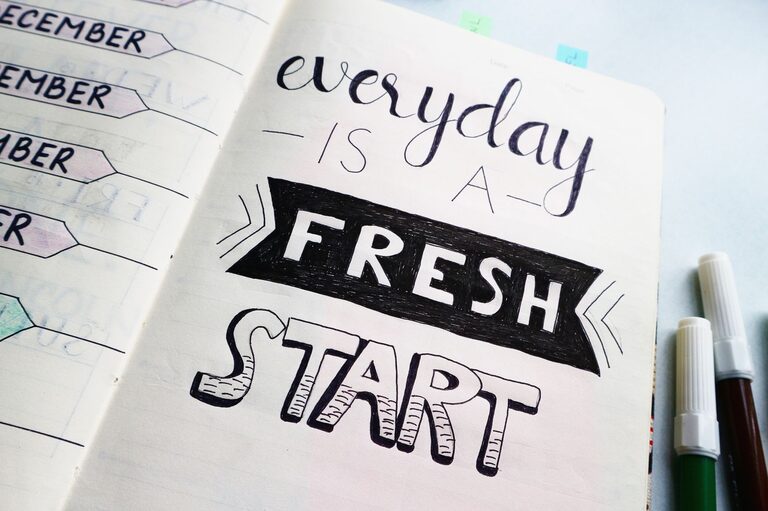
Creativity is often seen as a talent reserved for artists, writers, or designers, but in reality, it’s a skill that everyone can develop and enjoy. Practicing creativity daily not only enriches your personal life but also enhances problem-solving skills and encourages fresh perspectives in various areas. If you want to boost your creative energy without feeling overwhelmed, these simple methods can help you make creativity a natural part of your everyday routine.
Why Practice Creativity Daily?
Creativity is like a muscle: the more you use it, the stronger it gets. Engaging in creative activities regularly helps to break routine thinking and opens your mind to new possibilities. It can reduce stress, improve mood, and even increase productivity, making it valuable for both personal and professional life.
Simple Ways to Practice Creativity Every Day
1. Keep a Creative Journal
Writing or sketching in a journal daily, even just for five minutes, can spark ideas and encourage reflection. Don’t worry about grammar or drawing skills—this journal is a safe space to explore your thoughts and inspirations.
How to start:
– Dedicate a small notebook or digital app for creative notes.
– Jot down random ideas, doodle, or write short stories.
– Review your entries occasionally to see patterns or new concepts.
2. Change Your Environment
A fresh setting can stimulate your creativity. Even small changes, like rearranging your workspace or adding plants, can make a difference.
Try these:
– Work outside or in a different room.
– Visit a museum, park, or a café for a change of scenery.
– Use new tools or materials to approach tasks differently.
3. Practice Mindfulness and Observation
Creativity often stems from how well you notice the world around you. Mindfulness helps you stay present and see details you might usually overlook.
Simple practices:
– Take a five-minute walk paying close attention to sounds, colors, textures.
– Observe people’s behaviors and imagine their stories.
– Practice deep breathing or meditation to clear your mind.
4. Set Small Creative Challenges
Challenges encourage you to push boundaries and try new things without pressure.
Examples:
– Write one sentence a day about your surroundings.
– Draw an object in your room from a different angle.
– Create a list of 10 uses for a common item (like a paperclip).
5. Use Prompts and Inspiration Sources
Sometimes creativity slows because you don’t know where to start. Using prompts can jumpstart your imagination.
Ideas:
– Use writing prompts found online or in books.
– Follow social media accounts or blogs focused on creativity.
– Subscribe to daily or weekly creative newsletters.
6. Collaborate and Share Ideas
Talking with others and sharing your creative work can open you to new perspectives and feedback.
Suggestions:
– Join a local or online creative group.
– Share your art, writing, or projects with friends or communities.
– Participate in group challenges or workshops.
7. Limit Distractions and Set Time for Creativity
In today’s busy world, carving out dedicated time helps maintain focus.
Tips:
– Turn off notifications during your creative time.
– Set a timer for 15-30 minutes each day to create without interruptions.
– Treat this time as important as any meeting or appointment.
8. Experiment Without Fear of Failure
Creativity thrives in a judgment-free zone. Allow yourself to make mistakes and explore ideas just for fun.
How to do it:
– Try a new art technique or recipe without worrying about the result.
– Write freely without editing yourself immediately.
– Take “creative risks” by combining unrelated ideas.
Incorporating Creativity into Daily Life
Creativity doesn’t have to mean creating a masterpiece every day. It can be as simple as coming up with a new dinner recipe, brainstorming solutions for a work problem, or rearranging furniture. The key is to stay curious and open-minded.
Try to blend creativity into routine activities:
– Use different routes or modes of transportation.
– Challenge yourself with “what if” questions about your tasks.
– Take up hobbies that engage your imagination, like gardening, cooking, or playing music.
Final Thoughts
Making creativity a daily habit is rewarding and accessible for everyone. These simple practices not only develop your creative skills but also enrich your everyday experiences. Start small, be consistent, and enjoy the process of discovering new ideas and ways of thinking.
Remember, creativity isn’t about perfection—it’s about expression and exploration. So pick a method that feels fun, and let your imagination grow a little each day!