

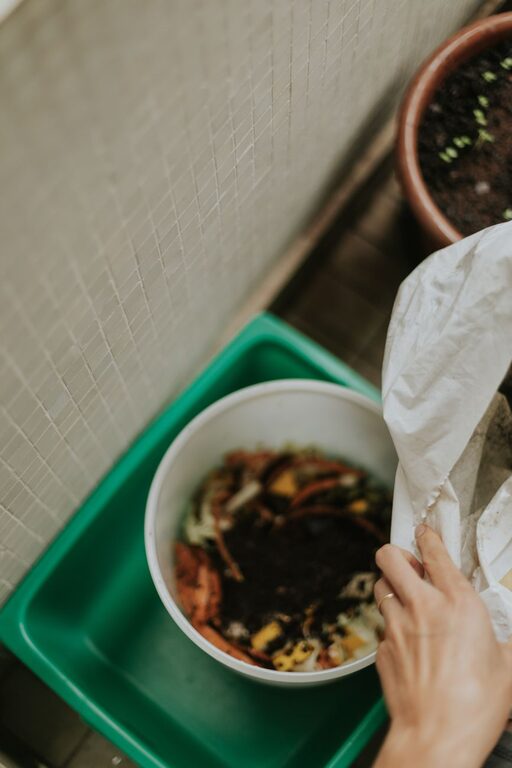
Reducing food waste at home is not only good for your budget but also beneficial for the environment. When food is wasted, resources like water, energy, and labor used to produce that food are lost too. Fortunately, there are many simple ways to minimize food waste in your household that require little effort but yield great results. This post shares practical strategies you can start using today.
Why Reducing Food Waste Matters
Food waste contributes significantly to environmental problems like greenhouse gas emissions and unnecessary landfill use. By preventing food from going to waste, you lower your carbon footprint and save money by getting the most out of what you buy.
Plan Ahead: The Foundation of Less Waste
Make a Shopping List
Before heading to the grocery store, check what you already have at home. Create a list based on your meal plans for the week to avoid buying items you don’t need.
Stick to Your List
Impulse buys often lead to food sitting unused and eventually spoiling. Try to stick strictly to your shopping list to avoid this.
Buy Appropriate Quantities
Purchase only the amounts you expect to consume. For example, if you live alone, smaller packages or fresh produce may be better than bulk options.
Store Food Properly for Longer Freshness
Understand Storage Basics
Some foods last longer in the fridge, while others do better at room temperature or in a cool, dark place. For instance, potatoes and onions should be stored in a cool, dry spot outside the fridge.
Use Clear Containers
Transfer leftovers or opened foods into clear, airtight containers so you can easily see what’s inside and when it was stored.
Label and Date Items
Use labels or masking tape with the date when you stored food. This helps you keep track and ensures you use older items first.
Make Smart Use of Leftovers
Repurpose Leftovers
Transform leftovers into new meals. Cooked vegetables can be used in soups or stir-fries, and stale bread can become croutons or breadcrumbs.
Freeze Surplus Food
Freezing extra portions is an effective way to preserve food beyond its typical shelf life.
Practice Portion Control
Serve smaller portions to reduce uneaten food on plates. You can always go back for seconds if still hungry.
Regularly Check Your Pantry and Fridge
Rotate Stock
Place newer items at the back and older ones in front to use them in the right order.
Perform Weekly Audits
Spend a few minutes each week to review what you have, plan meals around those ingredients, and spot anything nearing expiration.
Embrace Creative Cooking
Use “Ugly” Produce
Don’t discard fruits and vegetables just because they aren’t perfect in appearance. Slightly blemished produce is often just as nutritious and tasty.
Invent with Scraps
Vegetable peels and stalks can be used to make homemade broths or composted to enrich your garden soil.
Educate Your Household
Involve Everyone
Teach family members or housemates about the importance of minimizing food waste. Share responsibility for planning, shopping, and cooking.
Encourage Mindful Eating Habits
Remind everyone to take only what they can finish and to save leftovers for later.
Compost Food Scraps
Even with the best efforts, some food waste is unavoidable. Composting is a sustainable way to recycle organic waste and reduce landfill contributions.
Conclusion
Reducing food waste at home is easier than it may seem. By planning your shopping, storing food properly, using leftovers creatively, and involving your household, you can make a positive impact. Not only will you save money, but you will also help protect the environment—one meal at a time. Start with a few small changes today and enjoy the benefits.